Factory Scheduled Maintenance at 30K, 60K, 90K, and 120K: What Each One Is Really For
Every interval targets a different set of parts wearing out on a different schedule. Skip one and you're not saving money, you're just moving the bill to a worse time.
September 10, 2026 · 3 min read
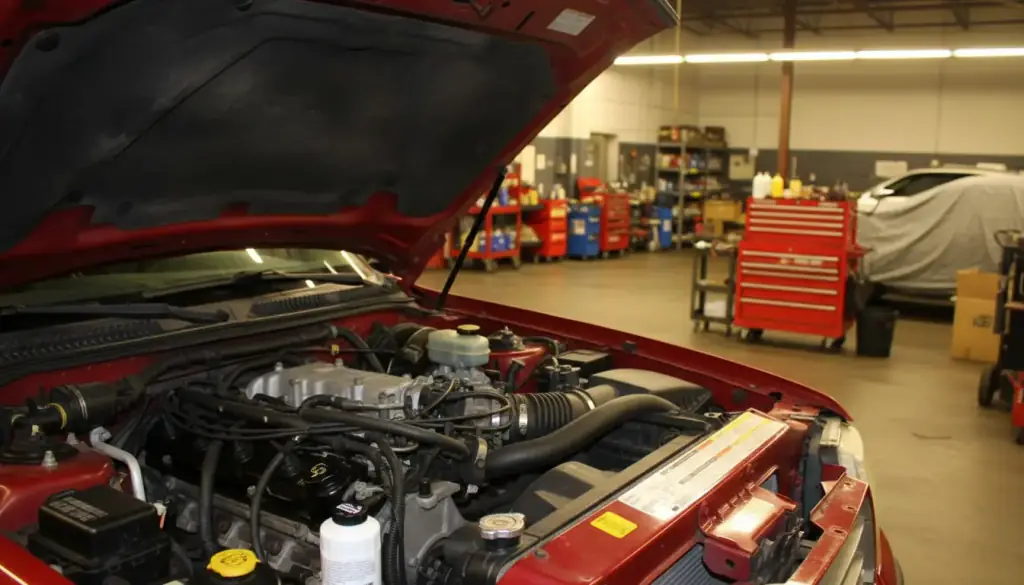
It's easy to treat the 30K, 60K, 90K, and 120K services as the same oil change plus inspection repeated four times at higher prices. They're not. Different parts of a car wear out on different timelines, and the factory intervals exist because the manufacturer knows roughly when each system needs attention before it starts costing more to ignore than to maintain.
30,000 miles: the fluids and filters that quietly break down
At 30K, most of the work is aimed at fluids and filters that degrade even if you never notice a symptom. Transmission fluid picks up heat and friction material over tens of thousands of miles and starts losing its ability to protect the gears. Air filters clog with dust, which on the Big Island means volcanic ash and fine road grit as much as anything else, and a clogged filter makes the engine work harder for the same power. Fuel system components and belts get a first real inspection here too, while they're still cheap to service.
60,000 miles: rubber, brakes, and the parts that fail without warning
By 60K, rubber components have had a full decade of Hawaii sun and heat cycling on them if the car's older, or a solid few years if it's newer, and rubber ages whether or not the car gets driven much. Hoses, belts, and seals get checked here because a cracked hose or a glazed belt tends to fail without much warning, usually at a bad time. Brake components get a closer look at this interval too, since pad and rotor wear varies a lot depending on how the car's actually driven around town versus the highway.
90,000 miles: the deeper systems most owners never see
The 90K service usually goes deeper into systems that don't get touched at the earlier intervals: spark plugs on many vehicles, coolant that's been doing its job silently for years, and a closer inspection of the exhaust and emissions systems. Coolant especially matters here. It's not only antifreeze, it's also corrosion protection for the radiator and engine passages, and once that protection breaks down, cooling system problems tend to show up not long after.
What happens if you skip an interval entirely
Skipping one interval doesn't usually cause an immediate problem, which is exactly why it's easy to let happen. The transmission still shifts, the belts still turn, nothing feels different day to day. The cost shows up later, when a fluid that should have been changed has broken down enough to accelerate wear on the parts it's supposed to protect, or a hose that should have been inspected finally lets go on the highway instead of in the shop's parking lot. Interval maintenance is inexpensive specifically because it catches things while they're still cheap to catch.
Not every car needs the same interval on the same mileage
The 30, 60, 90, and 120 numbers are a general guide, not a rule that applies identically to every vehicle. A car used mostly for short trips around town wears some components differently than one that spends more time on the highway, and towing, heavy cargo, or a lot of stop and go traffic in Kailua-Kona's afternoon congestion can shift what a car actually needs sooner than the mileage number suggests. That's part of why these intervals are worth doing at a shop that actually inspects the car rather than one that just changes fluids on a timer, since the inspection can catch something running ahead of schedule.
120,000 miles: the mark where deferred maintenance gets expensive
120K is where skipped services from earlier intervals tend to catch up with a car. A timing belt or chain that was never inspected, a transmission that never had a fluid service, an engine that's been running slightly lean because a sensor was never replaced, these things compound. A car that's had every interval done on schedule usually needs straightforward work at 120K. A car that's had intervals skipped is more likely to need a genuinely expensive repair around the same mileage, because the smaller problems had years to turn into bigger ones.
Why the schedule matters more than any single service
The value of these intervals isn't really any one visit, it's staying on the schedule so nothing gets a decade to quietly wear out unnoticed. Ayers Automotive has handled factory scheduled maintenance for Kailua-Kona drivers since 1998, on most makes and models, foreign or domestic, with free estimates before any work starts. Call 808-327-1331 if it's been a while since your car's last service and you're not sure where it stands.
Ayers Automotive, 808-327-1331
Call 808-327-1331More articles
What a Check Engine Light Actually Tells a Shop, and What It Doesn't
The light doesn't name the part that's broken. It names the symptom, and the difference matters for how much the fix ends up costing.
How Cooling Systems Fail, and the Warning Signs That Come Before the Temperature Gauge Moves
The gauge is the last warning, not the first. A cooling system usually gives smaller signals well before it actually overheats.